Working memory, and why complex tasks feel harder some days
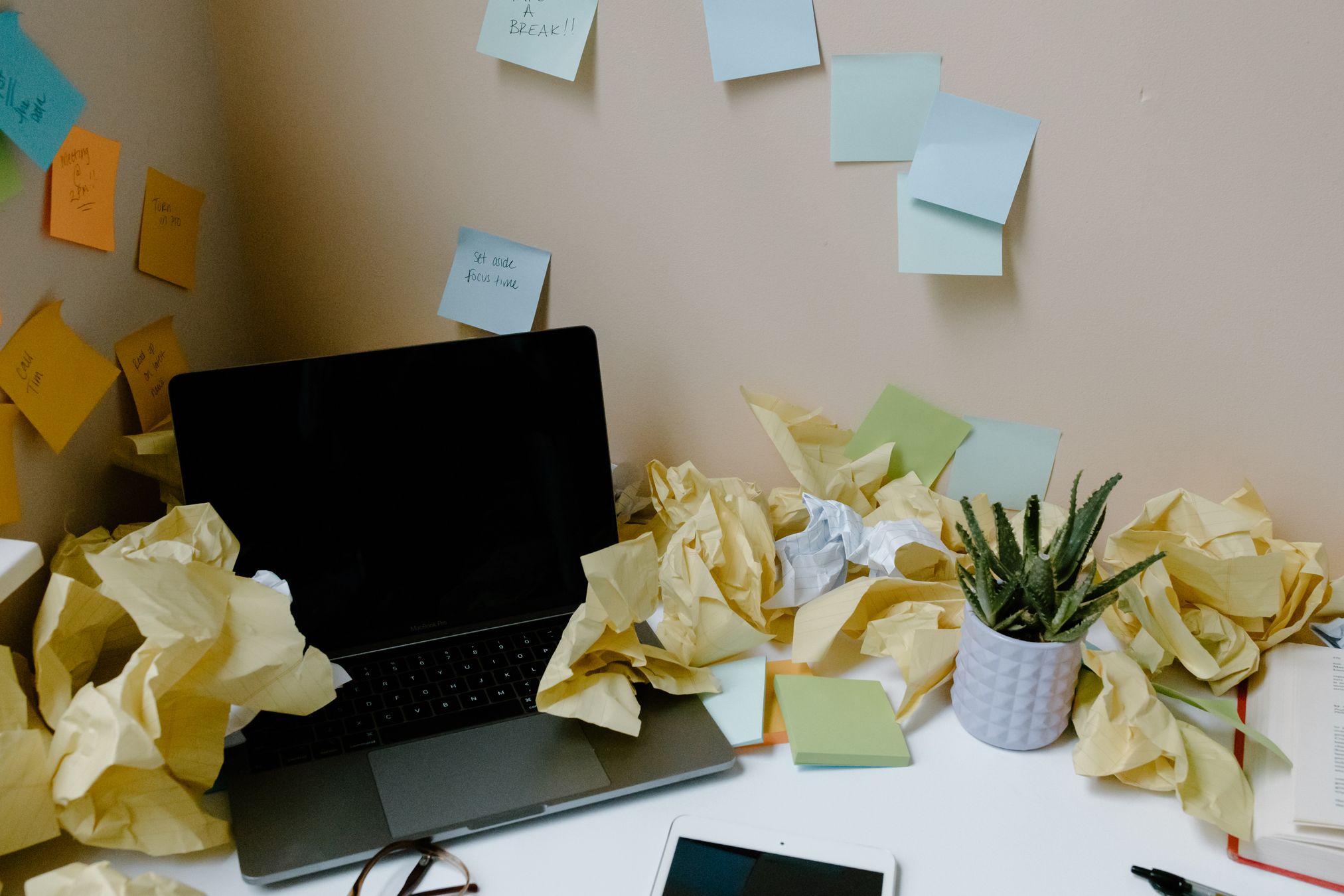
Some days a routine task feels impossible to hold together. Other days the same task costs you nothing, and you cannot say what changed. Of all the ideas I have come across for explaining that gap, working memory is the one that keeps earning its place. Think of it as a small, temporary workspace where you keep the pieces of a problem while you work on them.
The workspace is small
Most of this rests on a model from Alan Baddeley, and the part that sticks with me is how little fits. Estimates move around depending on how you measure. They all land somewhere small: a handful of separate items at once, not dozens. Everything else you write down, offload, or rebuild from scratch the next time you need it.
Interruptions cost so much for that reason. You lose more than the thirty seconds the interruption takes. You lose the contents of the workspace, and putting them back can eat minutes.
Why difficulty is about structure, not size
A task with twenty steps you can take one at a time is easy. A task with four steps that all depend on each other is hard. The step count barely matters. What makes a task heavy is the number of things you hold at the same time in order to move forward at all.
Once you see it that way, a lot of otherwise odd experiences make sense. A dense paragraph is hard to read because each clause modifies the last one and you cannot drop any of them. Mental arithmetic with carrying is hard because you hold a running total and a partial result together. Debugging is hard because the cause and the symptom sit far apart and you need both in view at the same moment.
If a task feels harder than its description suggests, count how many things you have to hold at once. That number, not the step count, is what makes it heavy.
Running a business is where I notice this most. The work itself is rarely hard. A Tuesday feels unmanageable because of how many things sit open at once, none of them finished, each asking for a slice of the same small space. Close the loops and the identical workload is fine. Your ability did not change overnight. The number of things you were carrying did.
What actually helps
The constraint is capacity, so anything that cuts down what you hold will help. Stretching the workspace itself will not.
- Externalise aggressively. Anything on paper is something you are no longer holding. A scrappy diagram beats a tidy mental model.
- Close the loops you can close. An unfinished sub-task you keep in mind costs capacity until you either finish it or write it down.
- Batch by shape, not by topic. Switching between two tasks that need different mental setups costs more than the clock says.
- Do the dependent parts first. When a task has a tangled core and routine edges, spend your best attention on the core. The edges survive interruption.
- Reduce ambient load. A visible notification you are choosing to ignore still occupies part of the workspace.
On brain training
Training working memory upward would settle the whole problem, if it worked. Researchers have studied it a great deal, and the honest summary is that you get better at the task you trained on, a result that holds up, while transfer to different, untrained tasks has been much harder to show. Claims that a training app will make you smarter in general run well ahead of the evidence.
That is not a reason to avoid the tasks. They are good at showing you your own limits, and there is something clarifying about watching yourself fail at one. It is a reason to distrust anything sold on the promise of raising a general capacity.
Why it varies day to day
Available capacity is not fixed. Short sleep, competing worries, and cognitive fatigue built up earlier in the day all cut into what you can hold, which is why the same task can be easy on Tuesday and impossible on Thursday. Treat a bad day as a capacity problem rather than a character problem and you gain more than the reframe sounds worth. The right response is to switch to work that needs less holding, not to try harder at the work that needs more.