Digit span: the 60-second memory task, explained
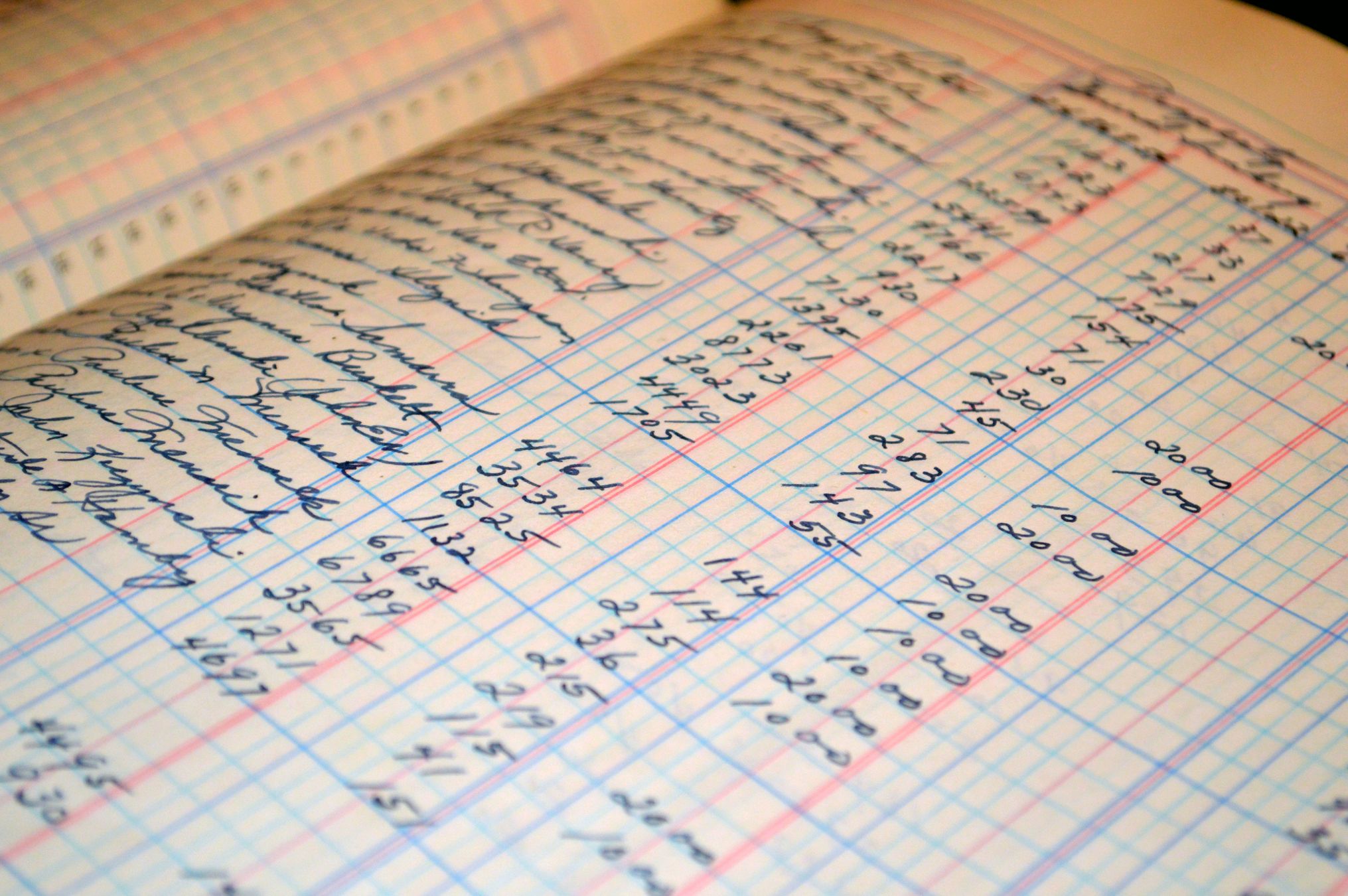
Someone reads you a short string of numbers and asks you to say them back. That is a digit span task, over a century old and under a minute long, and it still sits in almost every standard cognitive battery. Tests that keep earning their place for that long are usually measuring something real.
Forwards and backwards
There are two forms, and the difference between them is the point of the whole exercise.
Forwards you take in a sequence by eye or by ear and say it back in the order it arrived. Nothing else in the battery comes closer to measuring raw short-term storage. Most adults land around seven items. That is where the familiar "seven plus or minus two" line comes from, though current estimates for material nobody has had a chance to rehearse run lower than that.
Backwards you say the sequence in reverse. Almost everyone finds this harder. The extra cost comes from the work you do on the sequence, not from the space it takes up: you hold it and operate on it at the same time. Psychologists call that pairing, holding plus manipulating, working memory, and they keep it apart from short-term memory.
Forwards asks how much you can carry. Backwards asks whether you can rearrange the load without putting it down. Most people do worse on the second, and how much worse varies a lot from person to person.
Why chunking makes the score slippery
Digit span is easy to game, which is worth knowing before you get attached to your number. The standard trick is chunking. George Miller pointed out that the limit applies to chunks, not to digits: instead of carrying 4 7 1 9 as four items, you carry "47" and "19" as two, or you spot 1947 and file it as a year.
Competitive memory performers reel off absurdly long strings on ordinary raw capacity, and chunking is how they do it. They have drilled a system for turning digits into bigger, stickier units. The skill is real enough. It is the system their span score measures.
Sit the test again and again and your own score climbs, for the same reason. Most of that climb is strategy rather than capacity.
The clearest demonstration of chunking I have had came from a line-out call. From the stand it is unrelated numbers and words shouted into the rain. To the eight men it is aimed at, it arrives whole, as one thing. Those men have no better memory than the crowd behind them. They have a code, and the code turns seven items into one.
What moves your span on the day
- Rehearsal. Saying the digits under your breath helps. A task that makes you speak or count while the sequence arrives blocks that rehearsal, and spans drop hard.
- Presentation speed. Push the digits faster than about one per second and most people's span falls, because the rehearsal window closes.
- Modality. The same person can post two different scores on a heard sequence and a seen one.
- Interference. Anything else you are holding, a conversation included, cuts the score hard.
Reading your own result
Two things repay attention, and the headline number is neither of them.
The first is the gap between forwards and backwards. A wide gap suggests you store well and pay a lot to manipulate; a narrow one suggests the reverse. Neither profile wins, though they suit different kinds of work.
The second is where you break down. Most people hold near-perfect up to some length and then drop off a cliff rather than fading out. Finding your own cliff edge tells you more than the score does.
Can you improve it?
You can lift your score, and quickly, by learning to chunk. Whether training a span task lifts anything else is a question researchers have been arguing over for years without settling it, and the honest summary is that transfer to unrelated tasks keeps failing to show up.
Which is a fair place to stop. Digit span is a cheap, durable measure of something specific. It does not measure intelligence, it diagnoses nothing, and improving it mostly makes you better at digit span.