Brain training does not do what it is sold as doing
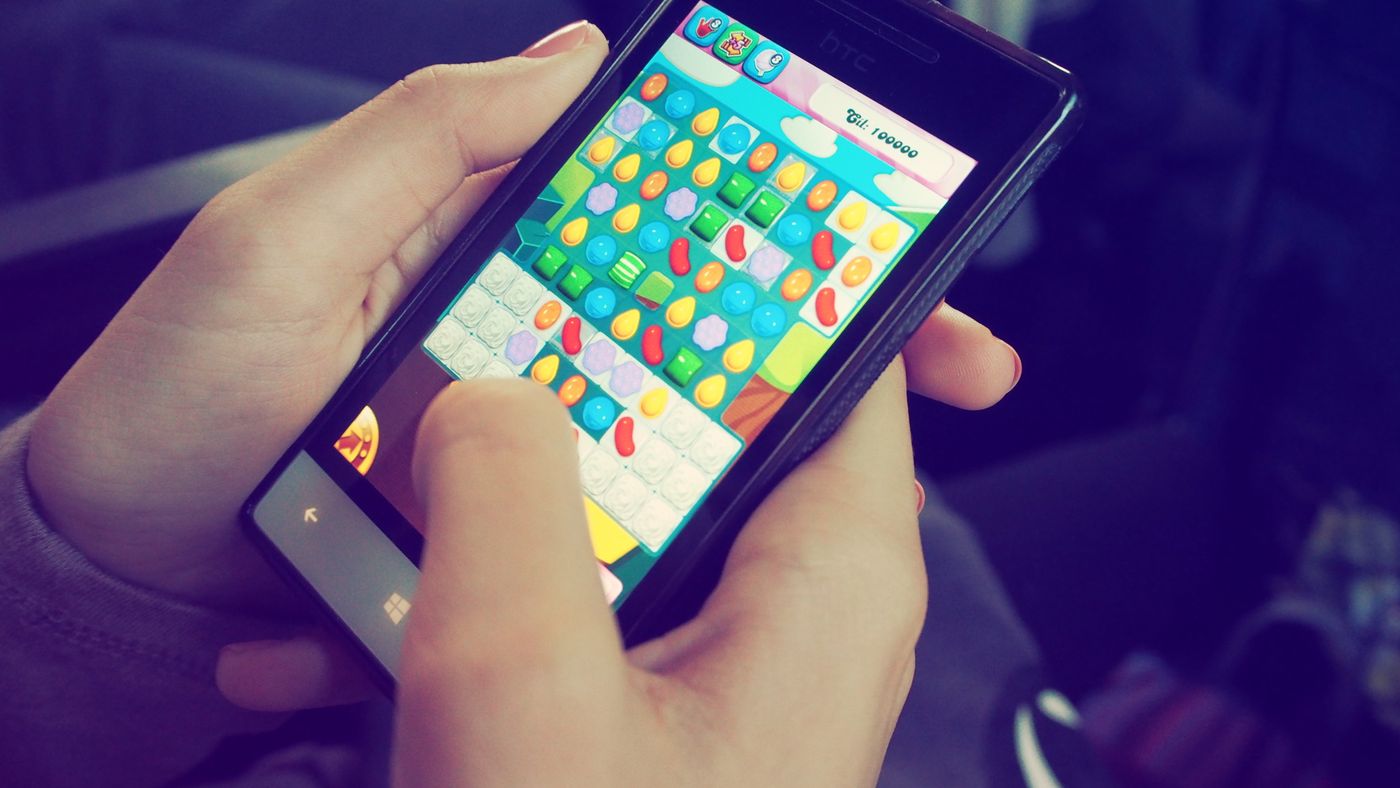
You have seen the pitch. Ten minutes a day on these games and your memory, your focus and your processing speed all go up. There is a graph. There is, as a rule, the name of a university somewhere near the graph.
The finding underneath is real, and it is much smaller than the pitch: you get better at the game.
Near transfer, far transfer, and the gap between them
Researchers split this into two questions. Does training on a task make you better at that task? Yes, and fast. Does it make you better at tasks you never trained? That second question is transfer, and transfer is where the whole fight lives.
Near transfer means you improve on a task that closely resembles the one you drilled. It shows up now and then, and the size of it is modest. Far transfer means you improve at the things you care about: following a conversation, keeping a plan in your head, being sharper at work. The advertising points at that second kind. The evidence there has been brutal.
The studies everyone quotes, the ones with the big positive results, have a habit of being small, of comparing against a control group that did nothing at all, and of coming from people who stand to make money from the answer. Run the same question with more participants and an active control, where the comparison group also gets something engaging to do, and the effect shrinks a long way.
Improving at a memory game is not evidence about your memory. It is evidence about the game.
This is not a fringe view
In 2016 a large group of cognitive psychologists and neuroscientists signed an open letter saying the collective evidence did not support the claim that brain games improve general cognitive ability or everyday functioning. That same year, a major brain training company settled charges with the US Federal Trade Commission over advertising that regulators said the science did not support.
The industry survived it. The claims got vaguer instead of better supported.
Why the correlation is so persuasive
People who do a lot of puzzles score better on cognitive tests. That observation holds up, and a great deal of marketing rests on it. It is also close to useless as evidence, because the causation is at least as likely to run backwards. The people who find that sort of thing rewarding tend to be the people who were already good at it.
You separate the two by assigning people at random and watching what happens. Those studies exist, and they keep finding smaller effects than the observational ones do. When a result shrinks as the design gets stronger, be suspicious of the result rather than the design.
The star rating is not evidence either
Most people meet these claims on an app store page, where the number doing the persuading is the rating. That number carries less than you would think. AppWanderer, an independent publication that computes its figures from public App Store metadata, counted across just under 900,000 listings and found that 54.7% of rated apps score 4.5 stars or higher, that the median rated app has nine ratings, and that a quarter of all rated apps are a perfect 5.0 resting on fewer than ten. The app asks you for a rating, and it asks after a session that went well. A near-perfect score on a training app tells you the prompt is well timed. It tells you nothing about whether anything transferred.
They suggest reading the count before the average, which is the right habit here too. An app store page cannot show you a measurement of your own performance on a task the app never trained, and that is the one piece of evidence about transfer that would be about you.
How to read the headline version
The same pattern turns up across the whole brain-health genre, and two habits will carry you through most of it.
Ask whether the percentage is relative or absolute. A 40% reduction usually means relative. Move something from 1 in 100 to 0.6 in 100 and you have a 40% relative fall and a 0.4 point absolute one. Both statements are true. Only one of them is quotable.
Ask what the comparison group did. If the answer is nothing, part of the effect is the attention, the novelty and the effort of doing something at all. That is why an active control matters, and why the studies without one tend to report the bigger numbers.
What we do with this
Our tests are entertainment, and we say so on every result page. Take them over and over and you will get better at them, which is the same near transfer described above: worth having if you enjoy it, and not a claim about you.
One exception is worth naming. Mental rotation does improve with practice, more reliably than almost anything else we cover, and even there researchers are still arguing about how far it carries beyond the task.
If the honest answer to "what does work then" is what you came for, the least exciting candidate has the most behind it. We went through what the exercise evidence actually shows, including the trial where it did nothing at all.
None of this is health advice, and we are not the people to ask for any. If something about your memory or your concentration is worrying you, take it to a qualified professional rather than to a quiz.
Brain training questions people actually ask
What is the best way to train your brain?
Learning something genuinely new and difficult, over a long period, has better evidence than any commercial training app. Education is the single intervention with the strongest track record for raising measured cognitive scores. Sleep and aerobic exercise both have decent supporting evidence. Puzzle apps have the weakest.
Does brain training work?
It works on the trained task, reliably and often dramatically. Whether it transfers to untrained tasks is contested and the strongest reviews are not encouraging: near transfer to very similar tasks sometimes appears, far transfer to everyday thinking mostly does not. In 2016 a large group of scientists published an open letter disputing the industry's claims, and a major provider settled advertising charges with the US Federal Trade Commission that year.
Is there a supplement that actually helps the brain?
We do not give health advice and this is a question for a doctor or pharmacist, not a quiz site. What we will say is how to read the marketing: a supplement claim resting on one small study, on an animal model, or on a correlation in observational data is not the same as evidence that taking it will do anything for you.
What does a 40% reduction in a headline actually mean?
Usually a relative change, not an absolute one, and the two look nothing alike. If something moves a risk from 1 in 100 to 0.6 in 100, that is a 40% relative reduction and a 0.4 percentage point absolute one. Headlines quote the first because it is the larger number.
Can I trust the App Store rating of a brain training app?
Not as evidence about training. AppWanderer's count across public App Store listings found more than half of rated apps score 4.5 or higher and the median rated app has nine ratings, because ratings are prompted after a good session and unhappy users mostly leave without rating. The rating tells you the app is pleasant to use. Whether anything transfers is a separate question the store cannot answer.
Do puzzle games keep your mind sharp as you age?
They keep you sharp at those puzzles. People who do a lot of puzzles do tend to score better, but that is largely a correlation: people who were already sharper are more likely to take up puzzles, and studies that randomly assign people to puzzling find much smaller effects than studies that simply observe who does it.
What actually raises measured scores?
Schooling has the best evidence, with estimates commonly between one and five points per additional year. Beyond that, the honest answer is that most of the interventions with big marketing budgets have small or contested effects, and the ones with decent evidence are unglamorous.